
Where to use compost
When to use compost
How to use compost
Why use compost
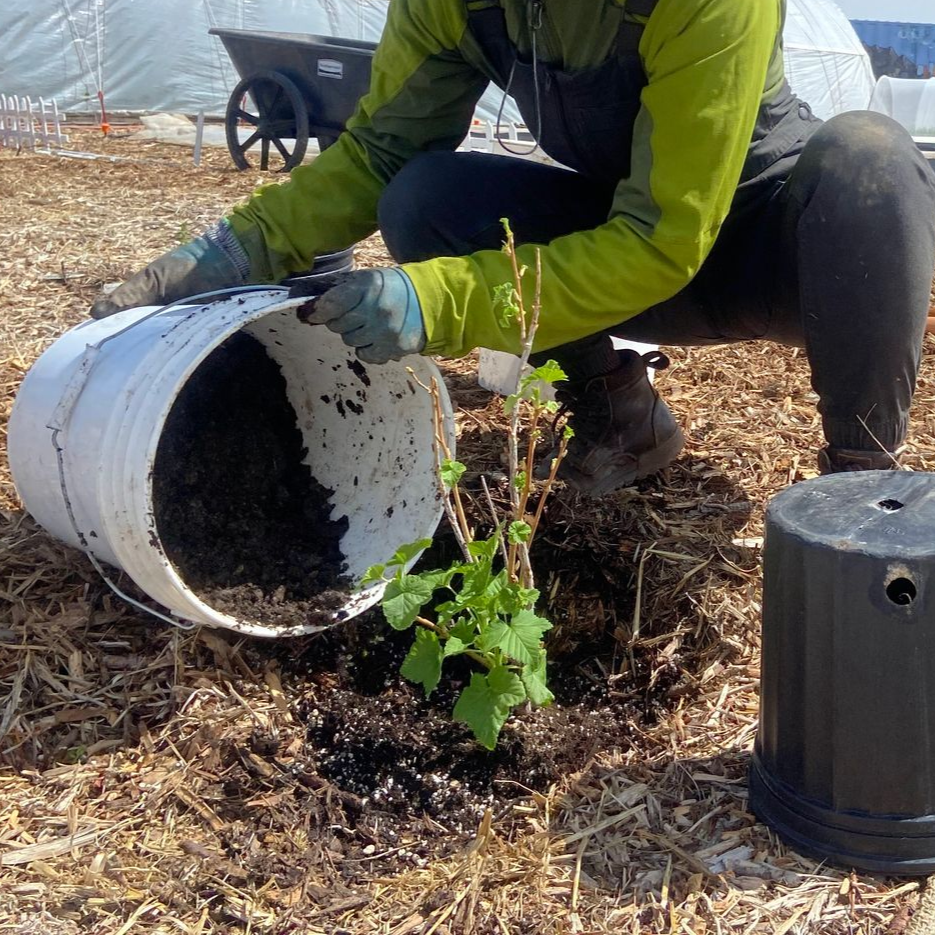
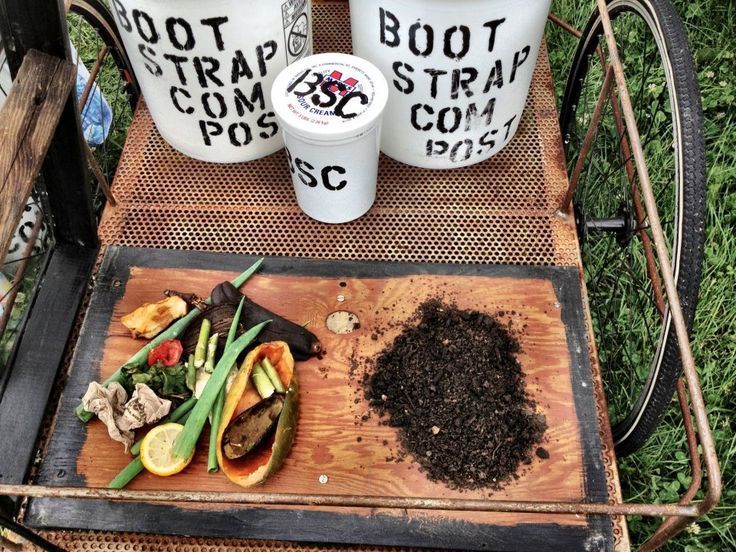
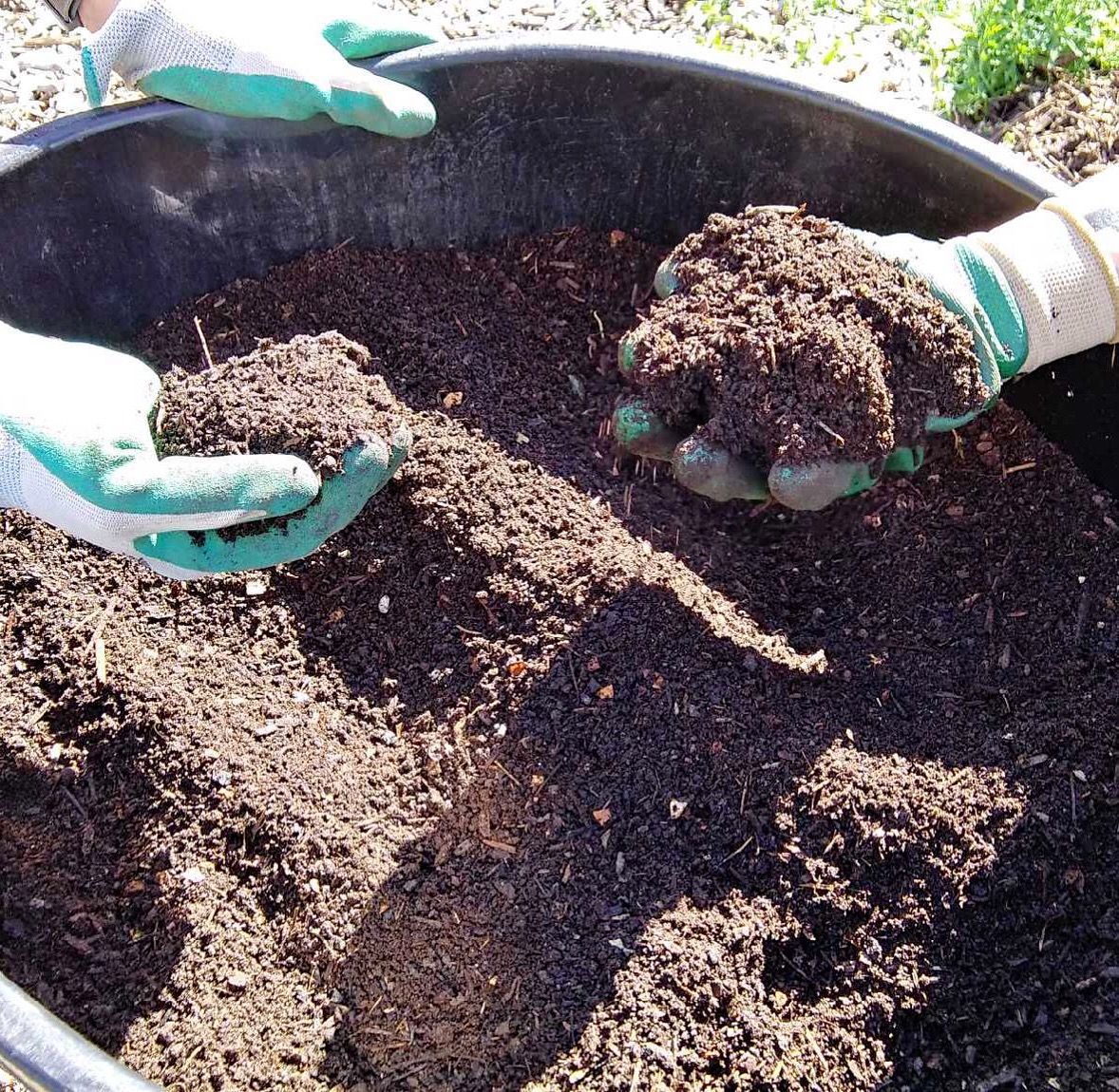
Composting 101 for Beginners: Everything You Need to Know Did you know the average household throws away up to 30% of its food? That’s a lot of banana peels, coffee grounds, and leftovers headed straight for the landfill — where they release harmful methane gas. But here’s the good news: composting is one of the simplest ways you can make a real impact on climate change, right from your kitchen. If the idea of composting feels overwhelming (messy, smelly, complicated), take a breath. We’ve got you. At Bootstrap Compost, we make composting clean and convenient for households, businesses, and schools all across New England. This guide breaks down the basics of composting so you can get started without the guesswork. What is Composting? At its core, composting is nature’s recycling system. Organic material — like food scraps, paper napkins, and yard waste — gets broken down by microbes and turned into a nutrient-rich soil amendment. Think of it as closing the loop: Food → Compost → Soil → Plants → Food. Instead of tossing scraps into the trash, composting transforms them into something that enriches soil, grows stronger plants, and supports a healthier food system. Why Compost? Good for the Planet: Food scraps in landfills create methane, a greenhouse gas 25x more powerful than CO₂. Composting keeps that waste out of landfills and cuts emissions. Good for Your Community: Bootstrap compost goes back into gardens, farms, and green spaces across the region. You’re literally helping grow food and flowers. Good for You: Bootstrap members can order a free allotment of finished compost to use on houseplants, garden beds, or lawns. Your food scraps come back to you as black gold between April and September. What Can (and Can’t) Be Composted? Here’s the short version: ✅ Yes, compost these: fruit & veggie scraps, eggshells, bread, pasta, grains, coffee grounds & filters, paper towels & napkins, nutshells, cut flowers. Untreated paper products, small pet bedding from hamsters or bunnies, pet food, pet hair, & natural fibers. Meat and dairy products are also acceptable in commercial composting methods. ❌ Skip these: plastic, glass, metal, rubber bands, twist ties, Styrofoam, & synthetic materials. How to Start Composting With Bootstrap Sign up online. We’ll drop off a compost bucket at your door. Collect scraps. Fill your bucket with food waste throughout the week. Leave it out. Our team picks it up on a set schedule. We do the dirty work. We process your scraps into rich compost. Get compost back. Between April and September, you can order a share of the finished product. That’s it. No backyard bin, no turning piles, no guesswork. Tips for First-Time ComposterS Layer material. Adding shredded brown paper or egg cartons can absorb extra moisture and keep the bucket fresh between pick-ups. Stay cool. In summer, freeze scraps that might get smelly. Keep it covered. Keep the lid securely over the bin to keep odors in and pests out! The Bootstrap Difference Bootstrap isn’t just about hauling scraps. We’re building a movement: Serving 150+ schools and countless households across New England. Diverting millions of pounds of food waste from landfills. Partnering with farms, nonprofits, and community gardens. Every bucket you fill adds up to big change. And we’re here to make it clean, convenient, and community focused. Ready to Start Composting? You don’t have to be a zero-waste expert to make a difference. Composting is one of the easiest, most impactful choices you can make for the planet. Join thousands of New Englanders already composting with Bootstrap. Sign up today and we’ll deliver your first bucket right to your door.
Bootstrap works with an array of clients — from individual households to entire apartment buildings; from small offices to corporate campuses; from block parties to Bar Mitzvahs. Clearly, we cover quite a bit of ground! But as our HQs in Mass and RI have FILLED UP with our branded 48-gallon toters collected from schools on break (albeit not for long), we find ourselves reflecting on the unique impact our school partners are making through this whole composting thing. And while the hard metrics — pounds diverted, GHGs eliminated, compost created — are indeed impressive, what really gets us excited is WHY schools make for such effective composting partners. Here’s our take: Built into Institutional Workflows Schools maintain a predictable volume of compostables. The task then is relatively simple: implement systems for capturing appropriate feedstocks, such as apples (so many apples), cardboard trays and virtually any uneaten meals. Our composting efforts are bolstered by clearly labeled bins, educational programming conducted by Bootstrap staff, and student-led green teams that assist with mitigating contamination and motivating their peers on best practices. Symbiotically Beneficial By actively participating in on-site organics collection, students gain hands-on experience that transforms abstract curricular concepts in science, math, and social studies into tangible, real-world applications. If a partnering school maintains a garden, the education cycle broadens even more via the application of the finished compost to advance growth and soil remediation. In the end, school composting programs impart timeless information about ecological cycles and environmental stewardship. Opportunity for Impact Big systems thinking! By integrating composting programs into their operations, schools provide a tangible platform for students to learn firsthand about waste management systems, inspiring them to consider the logistical, economic, and social requirements for creating effective and sustainable solutions. Indeed, one little composting program can have a major ripple effect. It can spark dozens of dinnertime conversations. We have seen students present at town halls, launch school garden clubs, and influence citywide composting policy. In the end, schools generate much more than just food waste — they generate opportunities. During the 2024-25 academic year, Bootstrap Compost partnered with over 150 schools across New England. We have seen firsthand how composting can enrich both the environment and the educational experience.
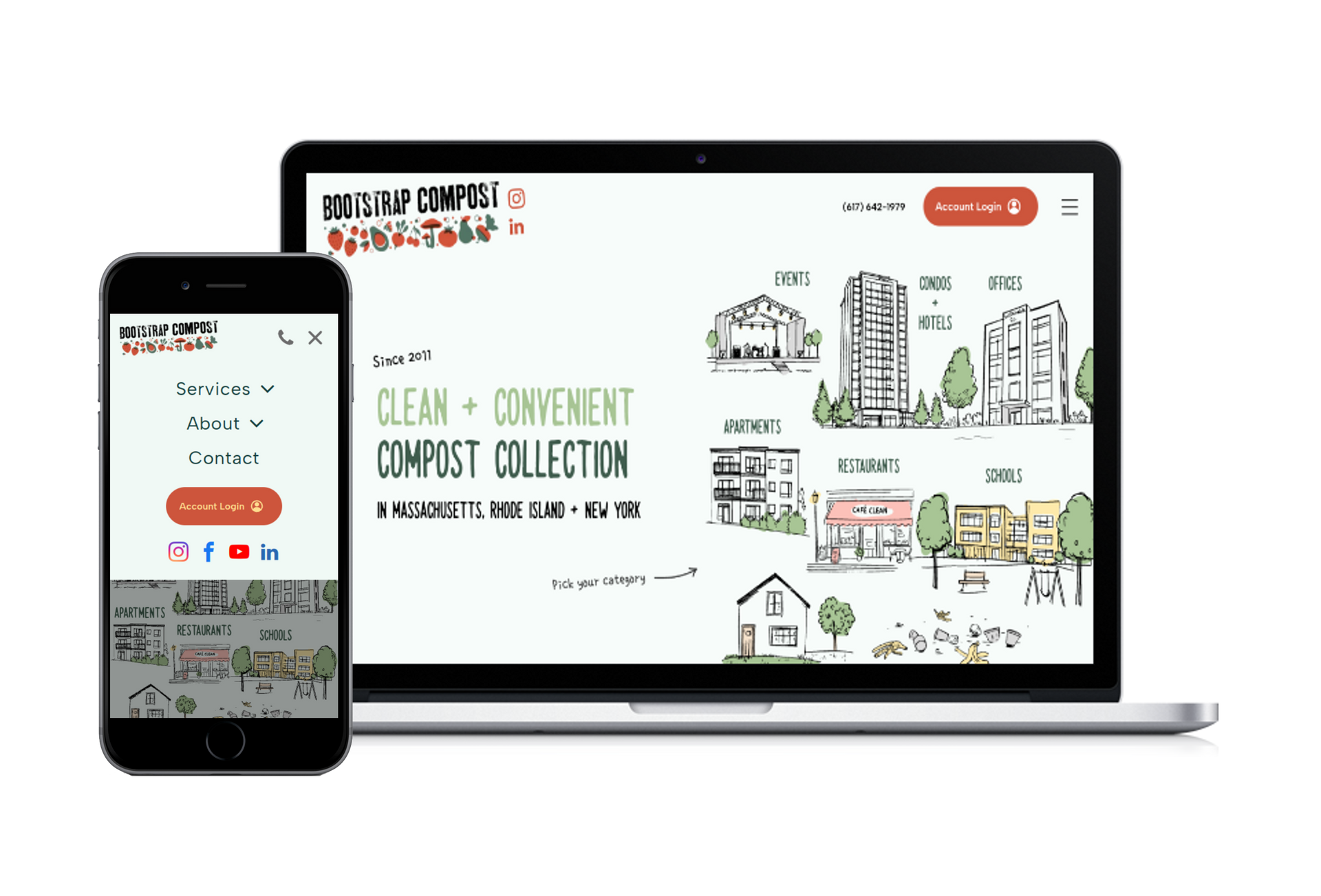
Over the past 14 years (it’ll be 15 in January), we’ve grown. A lot. We’re serving more schools , more businesses and more events than ever before. We’re showing up at weddings and public housing developments, in office kitchens and at concert venues. And with that growth came a simple truth: our old website just wasn’t cutting it anymore. So this past winter, Team Boot decided that our site was due for a digital refresh. Not just to make things prettier (though we think the new iteration is easier on the eyes), but to make it easier for you — our clients, our community, and our compost-curious neighbors — to find what you need to take action! Here’s what we set out to do with the rebuild: Make it easy to use. Whether you’re a homeowner ready to adopt composting into your daily life, or a business owner looking to make your company more sustainable, we want you to find what you need quickly and easily. Tell our story better. Bootstrap isn’t just a composting company — we’re part of a bigger movement for climate solutions, waste justice, and community resilience. We wanted the new site to reflect the full scope of our work, our impact, and the values that drive us. Create a foundation for what’s next. From educational resources to blog content (like this post!), the new site is designed to grow with us and you.